
Weather & Safety in the Dolomites: Everything You Need to Know Before Your Hike

The Dolomites are one of Europe's most spectacular hiking destinations, but they are also a high-alpine environment where the weather can change quickly. Every season we receive questions from hikers wondering what to expect, whether rain should change their plans, or if wildlife poses any danger.
The good news is that with a little preparation, hiking in the Dolomites is incredibly safe and enjoyable. Here's everything you should know before setting off.
What is the weather like in the Dolomites?
Summer weather in the Dolomites is generally stable, with pleasant temperatures, blue skies, and excellent hiking conditions. June often brings fresh alpine air and blooming meadows, while July and August are typically the warmest months. September offers crisp mornings, golden light, and some of the clearest views of the year.
Because you're hiking in the mountains, temperatures can vary considerably between the valleys and the higher elevations. A warm afternoon in Cortina or Ortisei can quickly turn into a cool evening at a mountain hut above 2,000 metres. Packing a light fleece and a waterproof jacket is always recommended, even when the forecast looks perfect.

Can I hike if it rains?
Rain doesn't automatically mean your hike is over. Short summer showers are common and often pass within an hour, leaving behind fresh air and crystal-clear mountain views. With proper waterproof clothing, continuing your hike is usually no problem.
Thunderstorms, however, are a different matter. If lightning is forecast or the weather begins to deteriorate significantly, it's always wiser to postpone your departure or wait until the storm has passed. Most thunderstorms develop during the afternoon, which is one of the
reasons we always recommend starting your hiking day early.
How quickly does mountain weather change?
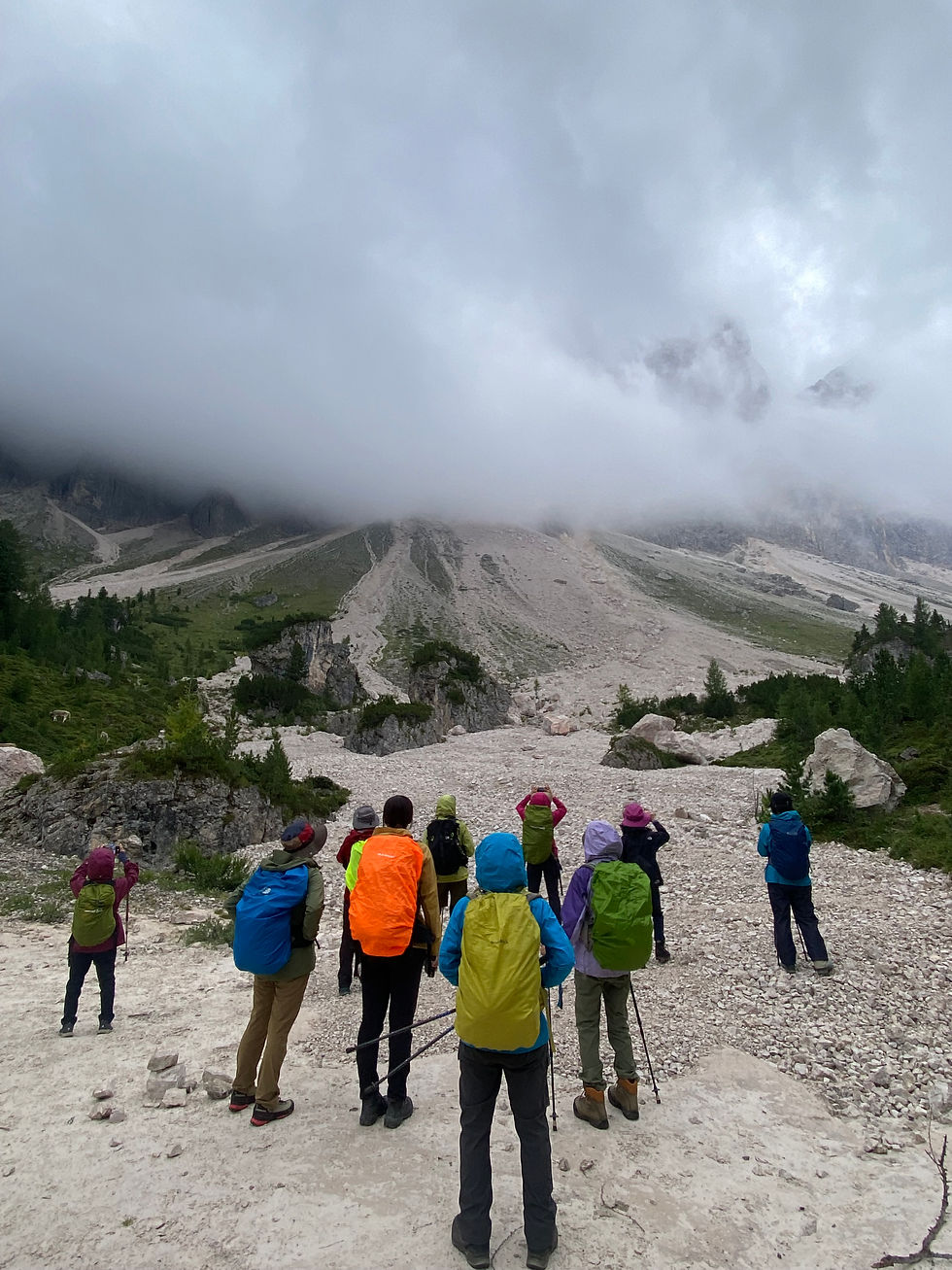
One of the defining characteristics of the Dolomites is how quickly conditions can evolve. A perfectly blue morning can become cloudy around lunchtime before clearing again later in the afternoon.
This is completely normal in an alpine environment. Rather than worrying about it, hikers should simply be prepared. Carrying waterproof clothing (check out our packing list HERE), checking the latest forecast before leaving the hut, and allowing some flexibility in your schedule will ensure that changing weather never becomes a major issue.
Is there mobile phone reception?
Most visitors are pleasantly surprised by the mobile coverage in the Dolomites. Around villages, cable cars, and many mountain huts, reception is generally very good. There are, however, still remote valleys and high mountain passes where coverage may disappear temporarily.
For this reason, we always recommend downloading your GPX tracks, offline maps, and digital guidebook before beginning your tour. That way you'll always have access to your route, even without an internet connection.
Are there bears or wolves?
Although bears and wolves have returned to parts of the Italian Alps in recent years, sightings in the Dolomites remain exceptionally rare. Every summer, thousands of hikers explore these mountains without ever encountering one.
These animals naturally avoid humans, and the chance of meeting one is extremely small. If you do happen to spot wildlife, the best approach is simply to observe it from a safe distance and continue calmly without disturbing it.
What should I do in an emergency?
Serious emergencies are uncommon, but it's always reassuring to know what to do if something unexpected happens.
Across Italy, the emergency number is 112, which connects you directly to the rescue services. If possible, remain where you are, share your GPS location, and explain your situation clearly. Mountain rescue teams in the Dolomites are highly experienced and exceptionally well organised.
Carrying a fully charged phone and a small power bank is a simple precaution that can make a big difference.
Is tap water safe to drink?
Yes. The tap water throughout the Dolomites is of excellent quality and is perfectly safe to drink.
Many mountain huts also provide drinking water, although some may charge a small fee due to the logistical challenges of supplying water at high altitude. Bringing a reusable water bottle is one of the easiest ways to reduce plastic waste while staying hydrated throughout your hike.
Is altitude sickness a concern?
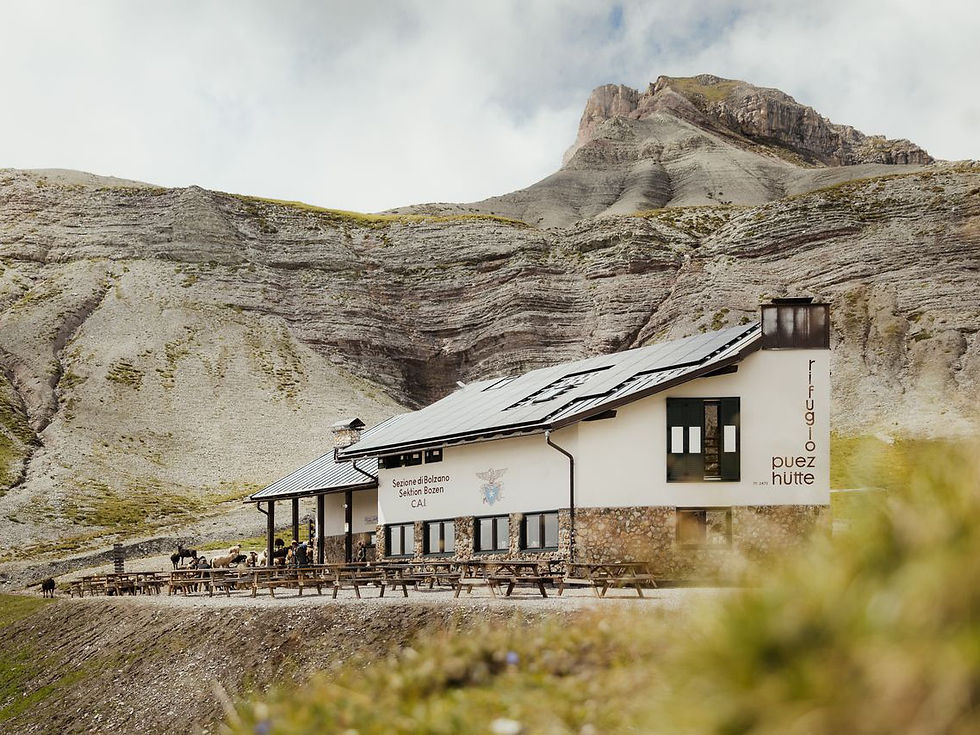
For the vast majority of hikers, altitude sickness is not something to worry about. Most trails and mountain huts lie between 1,500 and 2,800 metres, elevations at which healthy hikers adapt naturally.
You may notice that climbs feel a little more demanding than at sea level, but this is completely normal. Drinking enough water, maintaining a steady pace, and taking regular breaks are usually all that's needed to enjoy your hike comfortably.
Enjoy the Mountains with Confidence
The Dolomites are among the safest mountain regions in Europe, combining well-maintained trails, an excellent network of mountain huts, and reliable rescue services. With sensible preparation and a little respect for the alpine environment, you'll be free to focus on what really matters: spectacular scenery, unforgettable hikes, and the unique experience of travelling from hut to hut through one of the world's most beautiful mountain landscapes.


Comments